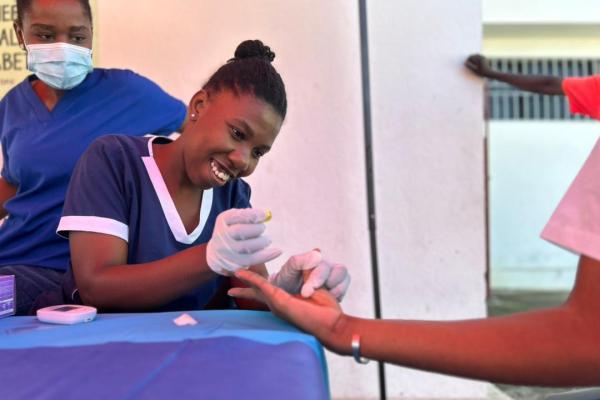
Diabetes is progressing rapidly in Haiti, affecting families who have often never been screened. In the Centre and Artibonite departments, Zanmi Lasante teams see every week that many people are living with high blood sugar levels without knowing it. When the disease is detected late, the complications are serious and put patients in difficult situations.
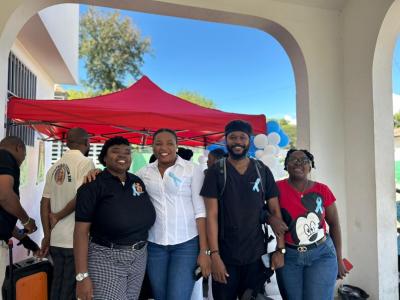
At Hôpital Sainte Thérèse in Hinche, the Non-Communicable Diseases Program continues its constant work to avoid these complications. Recently, the team organized a series of activities to strengthen access to screening, education and psychosocial support. This type of initiative reflects the day-to-day life of a program that manages thousands of consultations every year and accompanies patients whose future often depends on regular follow-up.
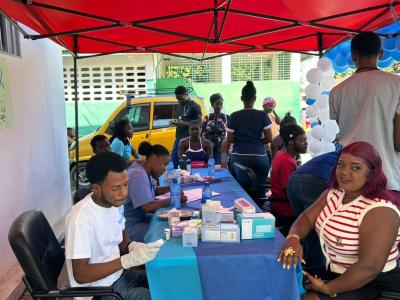
The day began with a screening session led by nurses, doctors and laboratory technicians. Participants received a full assessment, personalized advice and, where necessary, referral for regular follow-up. In Hinche, 583 people were screened. Throughout the Zanmi Lasante network, teams screened 1,417 patients. Around 17 percent had high blood sugar levels, demonstrating the importance of regular, accessible interventions.
An educational exhibition had been prepared to show how local products can support better disease management. Exchanges with the audience reminded us that a good diet is not a slogan but a condition for avoiding serious complications.
Psychologist Patrice Pierre addressed the reality experienced by hypertensive and diabetic people. He explained that chronic illnesses are not just about the numbers on a test. Patients often experience emotional fatigue, financial difficulties and feelings of isolation. He reiterated that “psychosocial support remains essential if patients are to be able to follow their treatment over the long term”.
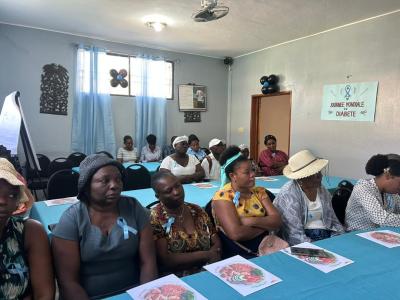
Nurse Manise Calixte, in charge of the MNT program in Hinche, led an education session focusing on essential behaviors in diabetes management. She emphasized self-monitoring, treatment compliance, the risks associated with interruptions and the role of physical activity. In her words, “when patients understand what they’re going through and what they need to do, they gain confidence and stay committed to their follow-up.”
These activities show what an integrated approach means. Screening identifies people at risk. Education strengthens their ability to take action on a daily basis. Psychosocial support helps them cope with the pressures of a difficult life. This combination creates a space where patients are not alone and where teams can anticipate complications before they become irreversible.
Today, as security and economic pressures limit access to care in many parts of the country, these interventions take on even greater importance. They help maintain a link between patients and the healthcare system, prevent avoidable emergencies and reduce deaths from chronic diseases. The message chosen for this mobilization sums up the program’s vision. “ByenNèt Nou konte pou jere Maladi Sik”. Daily health, listening and continuous follow-up are the foundations of a more stable life for people living with diabetes.
At Zanmi Lasante, we want to prevent thousands of families from facing serious complications for lack of screening or follow-up. Your support makes it possible to strengthen screening programs, keep services open in a fragile context and support the patients who depend on them. Contribute here to support our teams and improve diabetes care in rural areas.