
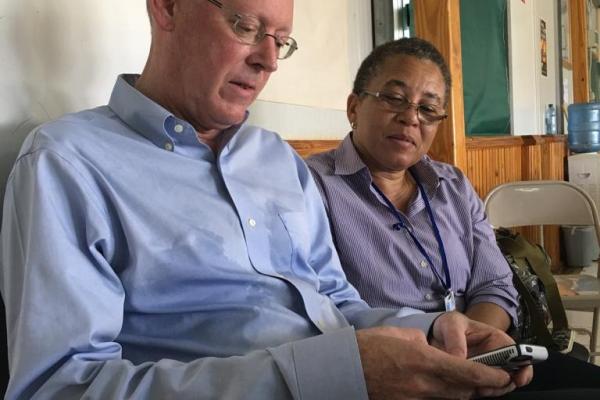
21/02/2022-21/02/2026: Four years have passed since the departure of our dear Polo! His absence is real. His presence is too, in another way. I see him in my dreams quite often.
Polo wasn’t just a founder or mythical figure in global healthcare. He was a husband, a father, a son, a brother, a friend, a collaborator, a companion in every sense of the word. A man of insatiable curiosity, rare intellectual rigor and profound humanity. He had that rare ability to walk into a room and shift the conversation to the essentials. He asked simple, sometimes disturbing questions that forced us to clarify our priorities. Who’s left out? What haven’t we done yet? Why do we accept this limit? Why do we wait? Why do we wait? After the whys, he offers his help in meeting the challenges of those why(s).
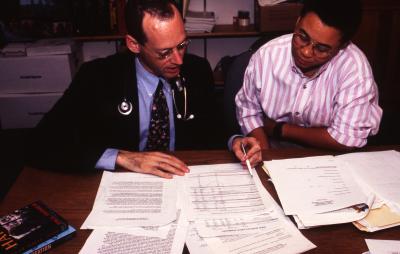
He recognized no hierarchy in the value of human lives. For him, every patient should receive the same level of attention, competence and respect. This conviction guided his decisions, his stances, his energy.
I often think back to our exchanges. Paul always came back to concrete work. He wanted to know if services were working. If the teams were supported. If patients were getting what they needed. He wasn’t satisfied with abstract principles. He looked at the facts, the delays, the obstacles, and asked what we were going to do to move forward.
At Zanmi Lasante, his vision continues to guide the way we work. It manifests itself in the demands we maintain on the quality of care. It is reflected in our attention to clinical detail, in the organization of services, in our investment in the training of healthcare professionals. It influences the way we make decisions, especially in complex times. We don’t always have all the answers. When we look at our sites and our patients, especially in recent times, we haven’t met all the mission requirements, we have to admit.
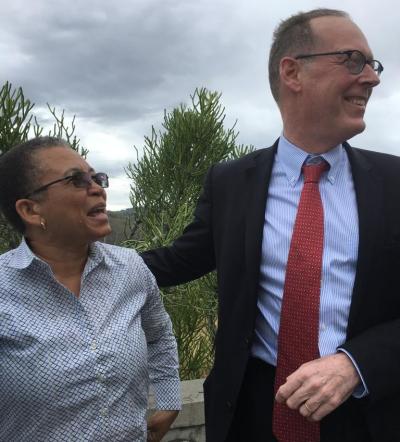
The current context in Haiti is putting our teams to the test. Insecurity, financial and logistical constraints are weighing on every site. At times like these, I think of what Paul taught us. He would have looked to see if patients continued to be welcomed with dignity. He would have checked whether we were staying true to our standards. He would have expected consistency and constancy.
His legacy commits us. It reminds us that our responsibility is to remain organized, attentive and demanding, especially when fatigue sets in. It asks us to continue the work in earnest, to protect the quality of care and to stay the course.
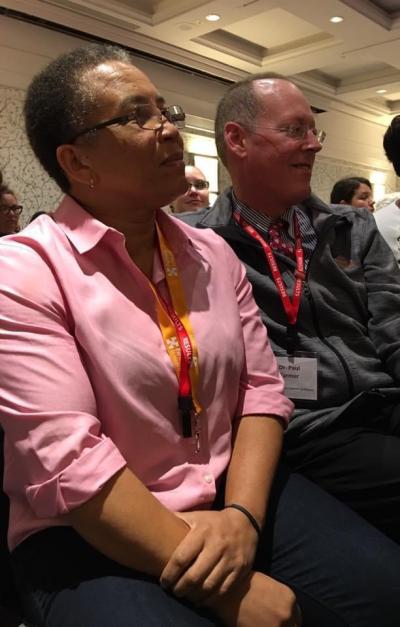
For me, as a friend, as a long-time collaborator, as a student of her first graduating class (1980s), and as Chairman of the Board of Zanmi Lasante, her memory is not a distant reference. It guides our choices. It compels us to continue with the same high standards he embodied.
Loune G. Viaud
President of the Zanmi Lasante Board of Directors