In several communities in Plateau-Central and Bas-Artibonite, Zanmi Lasante teams support families whose daily diet does not always cover children’s essential needs, particularly in micronutrients such as vitamin A. This deficiency increases the risk of infections, affects growth and can lead to vision problems, particularly in the youngest children.

These situations regularly appear in health services and in exchanges with community workers. They are linked to known constraints. Limited access to certain foods, eating habits, and lack of practical information on meal preparation directly influence the quality of children’s diets.
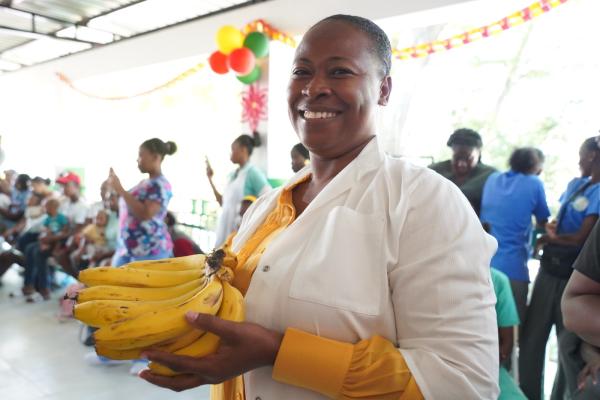
On April 9, 2026, on the occasion of National Vitamin A Day organized under the aegis of the Ministry of Public Health and Population, Zanmi Lasante teams mobilized several network sites to work directly with communities around accessible solutions, based on locally available foods.
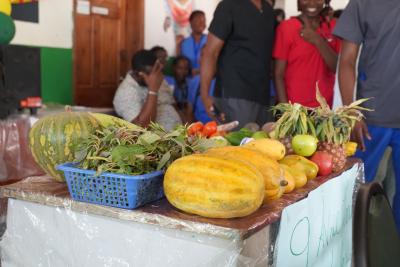
At Hôpital Bon Sauveur de Cange, the day brought together many mothers who came with their children around an activity centered on simple products. Mango, papaya, carrot and melon were presented in an exhibition area, enabling participants to recognize these foods, handle them and discuss their use in everyday meals.
The nutrition and community health teams, accompanied by Zanmi Lasante Nutrition Coordinator Sandrine Jean, led direct exchanges with participants. Discussions focused on specific topics. The role of vitamin A in growth, immune system function and eye health was explained based on concrete situations encountered by the families.
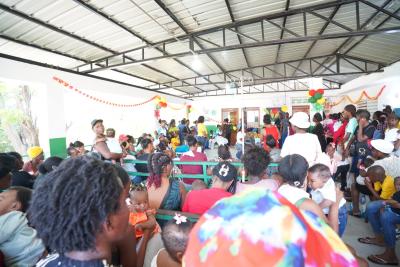
The mothers asked questions about meal preparation, food preservation and suitable quantities for the children. Answers were provided taking into account local realities, with a focus on simple solutions achievable with available resources.
In other network sites, teams conducted health education sessions, training and participatory activities with communities. These interventions were based on direct exchange, role-playing and the promotion of foods with yellow, red and green pigmentation, recognized for their vitamin A content.
All these activities are part of the regular prevention practices put in place by the teams. By working closely with families, they reinforce the knowledge needed to adapt children’s diets and prevent avoidable health problems.
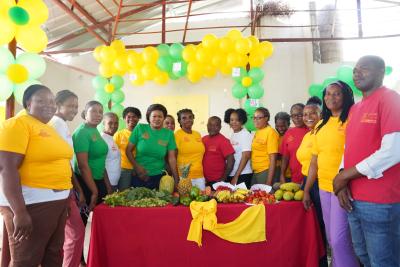
The participation observed at several sites shows the communities’ interest in these exchanges and their usefulness in everyday life. These moments also help to strengthen the link between healthcare structures and families, by creating spaces where questions are asked freely and answers are directly applicable.
These activities rely on constant fieldwork, carried out as close as possible to families. They require time, trained teams and a regular presence in communities to transform information into concrete practices. You can contribute here.