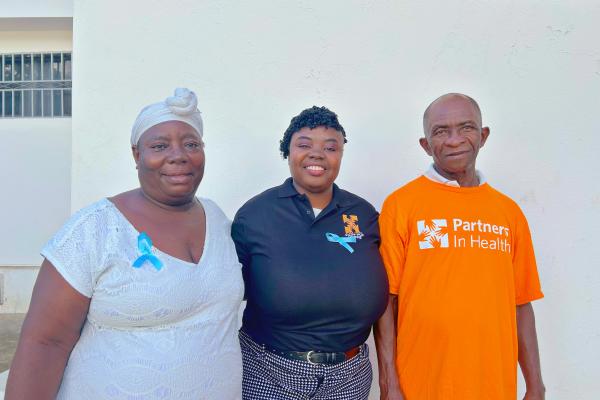
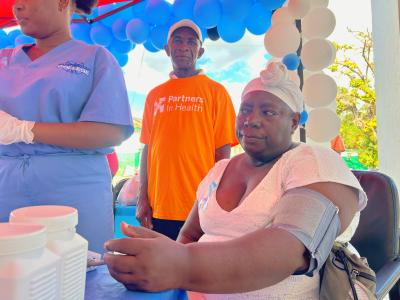
A native of Abricot, a locality in Hinche, Rejana has been living with hypertension for over eight years. Diagnosed and monitored at Sainte-Thérèse hospital, she has gradually learned to cope with a chronic illness that demands rigor, patience and constancy. Like many patients living with a long-term condition, she has had to adapt her daily routine, integrating regular medication and keeping medical appointments, even when this requires extra effort.
Today, Rejana works as a housekeeper within the Sainte-Thérèse hospital itself. This environment plays an important role in her relationship with illness. It enables her to stay informed, ask questions and better understand the issues surrounding her health. This proximity to the medical community reinforces her commitment to following her treatment and monitoring her blood pressure on a regular basis.
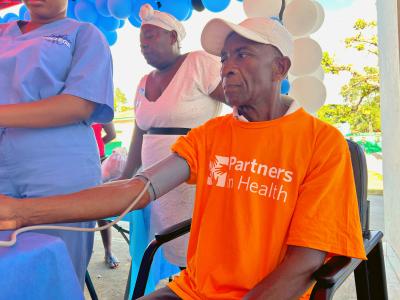
Her husband, Elvaste, had long lived with symptoms that profoundly disrupted his daily life. Persistent fatigue, malaise and reduced physical capacity prevented him from working normally in the fields. For months, he did not seek medical advice. Like many men living in rural areas, he put off going to the doctor, either because he couldn’t afford it, didn’t have the time, or was used to putting up with the pain.
It was Rejana who insisted. Through her constant support, she encouraged him to go to the hospital. At the consultation, Elvaste was diagnosed with diabetes and integrated into Zanmi Lasante’s non-communicable disease program. This diagnosis was a turning point. It made it possible to understand the origin of his symptoms and to set up an appropriate follow-up.
Since then, Elvaste has kept his medical appointments and followed his treatment seriously. The effects of the disease have taken him away from the farming activities he had always practiced, but the couple have organized themselves to cope with this new reality. Together, they have adopted a daily discipline centered on managing their disease, taking their medication and following medical recommendations.
For Miss Calixte, nurse in charge of the NCD program at Sainte-Thérèse Hospital, their journey is exemplary.
“This couple is an example to us all. Despite the challenges and difficulties, Rejana and Elvaste have never given up. They take their medication and show up for their appointments, even when it’s not easy.”
In Haiti, non-communicable diseases such as hypertension and diabetes account for a growing share of the causes of death. They often affect relatively young adults and remain insufficiently detected and monitored, particularly in rural areas and among the poorest populations. The obstacles are numerous. Distance to consult, costs associated with care, drug shortages and lack of information hamper access to ongoing care.
On the occasion of World Diabetes Day, celebrated on November 14, 2025, the Zanmi Lasante network organized screening, awareness-raising and therapeutic education activities in several health structures. A total of 1,417 people were screened. Of these, 31% had high blood sugar levels requiring follow-up or further investigation. These results confirm the scale of the challenge and the importance of identifying cases as early as possible.
Through regular campaigns in health centers, rural communities and public markets, Zanmi Lasante is helping to reduce complications linked to diabetes and hypertension, including stroke, cardiovascular disease and amputations. These actions are based on regular consultations, the availability of essential medicines, psychosocial support and constant community awareness-raising.
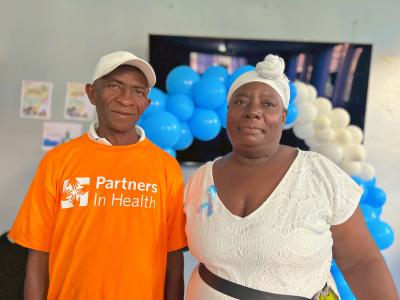
For Rejana and Elvaste, the disease remains a daily reality. But thanks to rigorous medical monitoring, the commitment of the Zanmi Lasante teams and strong family support, they are moving forward together, one day at a time. Their journey shows that appropriate support can enable patients living with a chronic disease to live better, adapt and preserve their autonomy, even in a context of great vulnerability.
Non-communicable diseases represent a major challenge for public health in Haiti. Your support enables Zanmi Lasante to strengthen screening, ensure continuity of care and support patients living with chronic diseases in rural areas. By contributing today, you are helping families like Rejana’s and Elvaste’s to prevent avoidable complications and preserve their quality of life.