
Congenital heart disease is one of the world’s greatest paediatric health needs. Around one child in a hundred is born with a heart defect. In Haiti, the estimates are similar. Yet mortality remains high, mainly due to limited access to early diagnosis and specialized care.
In a context where early heart failure and hypertension are common in adults, cardiovascular infrastructures are under heavy pressure. This pressure reduces the capacity available for children with congenital heart disease.
At Hôpital Saint-Nicolas de Saint-Marc, 14 children are currently being monitored for cardiovascular pathologies. Pediatric teams regularly receive hospitalized children with heart disease.
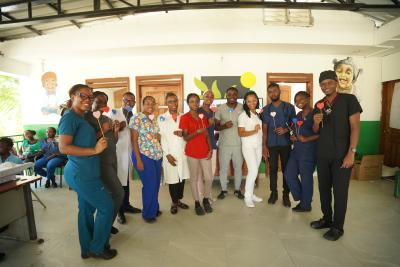
Dr. André, head of the pediatric department, observes the consequences of delayed diagnosis:
“We receive many children with heart disease. Informing parents is essential if they are to recognize the clinical signs and seek help in good time. Better understanding can prevent serious complications.”
The warning signs are well known: breathlessness, excessive fatigue, eating difficulties, stunted growth, bluish discoloration of the lips or extremities. Early management can limit the risk of heart failure, repeated infections and potentially life-threatening complications.
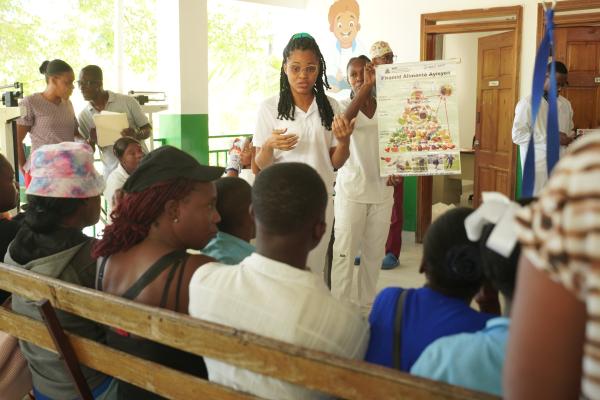
To reinforce this awareness, the pediatric team at Hôpital Saint-Nicolas organized three information sessions that brought together over a hundred parents on World Congenital Heart Disease Awareness Day. Discussions focused on possible causes, genetic and environmental factors, infections during pregnancy, malnutrition and certain harmful exposures.
Among the participants, Yvrose St Pierre shared her family’s experience. Her grandson Baptiste is being monitored for a heart condition. “The announcement deeply affected the family, but since we’ve been followed at the hospital, he’s feeling better. We come from far and wide for consultations. I encourage parents to ensure the necessary follow-ups.”
Knowing the signs and respecting medical follow-up remain essential to protect children’s health. In a healthcare system under strain, informing families contributes directly to reducing avoidable complications and improving care trajectories.
Strengthening pediatric care capacity in Haiti requires trained human resources, adapted equipment and continuity of care.
Your support helps maintain these essential services for children and their families.
>